


Introduction
As March draws to a close in Ghana, one phrase begins to echo across radio, social media, and everyday conversation: “Kwahu oo Kwahu.” From trotro rides to TikTok feeds, anticipation steadily builds. For many, Easter no longer simply signals a religious observance but points decisively toward one destination: Kwahu.
Kwahu Easter is more than a festive escape. It is the product of history, religion, migration, and place an example of how a global Christian observance has been reshaped into a distinctly Ghanaian tradition. To understand its significance, we must begin with the land and people at its centre.
Where is Kwahu?

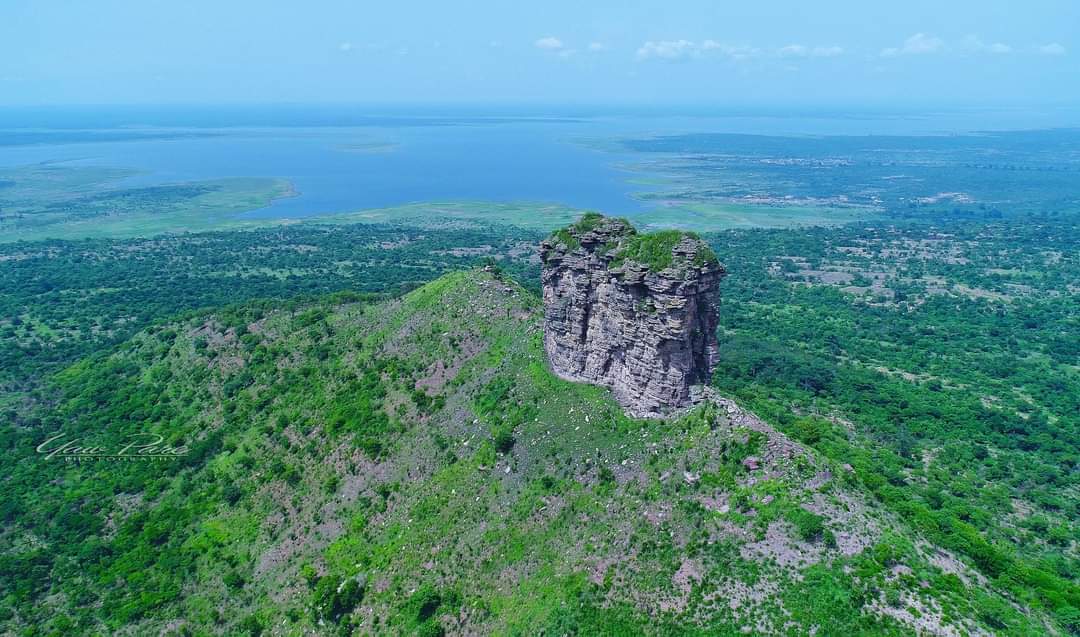
A picture of Kwahu incredible landscape
Kwahu lies in Ghana’s Eastern Region, positioned along the Accra–Kumasi highway. The area serves as a gateway to a cluster of towns perched along a dramatic ridge. These highlands locally known as Asaase Aban (natural fortress) are central to Kwahu identity, offering both strategic history and striking scenery. The landscape is not merely scenic; it has historically provided both protection and distinction. Today, it contributes to Kwahu’s appeal as a destination, especially during festive periods when visitors are drawn to its cooler climate and sweeping views.
Who are the Kwahu?
The Kwahus are part of the Akan cultural group. According to oral tradition, they migrated from Adanse after conflicts with Denkyira. Over time, the area became socially diverse, incorporating people from different Akan subgroups and beyond.
Today, Kwahu identity is shaped not only by origin but by mobility. Kwahu communities are widely dispersed across Ghana and the diaspora, maintaining strong ties to their hometowns.
The Making of Kwahu Easter
Easter in Kwahu is not simply observed, it is assembled. Its origins lie in missionary activity in the late nineteenth century, particularly the work of the Basel Evangelical Missionary Society.
Following his release after the Sagrenti War of 1874, Reverend Fritz Ramseyer established a mission station at Abetifi. From there, Basel missionaries expanded their work across Kwahu, building schools, churches, and Christian communities.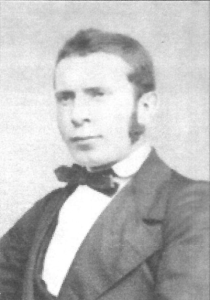
By the early twentieth century, Kwahu had become a major centre of Presbyterian life in the Gold Coast. Even after the deportation of Basel missionaries during the First World War, their work continued under the Scottish Mission, later the Presbyterian Church of Ghana.
A key feature of this missionary presence was the creation of Salem communities as settlements for Christian converts. Over time, these communities made Kwahu a spiritual home for many Ghanaian Christians. Easter, marking the death and resurrection of Christ, became a natural moment for return and gathering.
Indigenization and Return
What transformed this religious gathering into a national event was not doctrine alone, but movement.
Kwahu’s dispersed population have spread across Ghana and abroad through trade and enterprise. They have developed a pattern of returning home during Easter. This annual homecoming blended religious observance with family reunion, social networking, and economic activity.
At the same time, local customs and authority structures adapted the celebration. Traditional leaders now perform rites alongside Christian observances, reflecting a negotiated coexistence between inherited beliefs and adopted faith.
Kwahu Easter, then, is not purely Christian or traditional. It is a layered cultural event shaped by both.
From Pilgrimage to Festival
In recent decades, Kwahu Easter has expanded far beyond its original religious framework. It now occupies a prominent place in Ghana’s cultural calendar, attracting thousands of visitors each year.
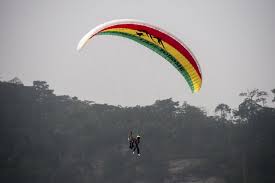
Paragliding in Kwahu
Several factors account for this transformation. First is the strong culture of return, which ensures a steady influx of people during the Easter period. Second is Kwahu’s geography, which provides a serene setting distinct from many urban centres. Third is the growth of entertainment culture like street carnivals, live music performances, and nightlife activities have become integral to the celebration.
Media amplification has further elevated the event. Radio, television, and social media platforms now play a significant role in promoting Kwahu Easter, shaping it into a national spectacle.
One of the most visible symbols of this shift is the annual paragliding festival introduced by Ghana’s Ministry of Tourism. Taking advantage of the Kwahu ridge’s unique topography, the event attracts both local and international participants. It has become a defining feature of the modern celebration, reinforcing Kwahu’s reputation as both a cultural and recreational destination.
Conclusion
Kwahu Easter is not an accident of popularity. It is the outcome of a historical process: missionary activity, the formation of Christian communities, patterns of migration, and the enduring pull of home.
What began as a religious gathering has evolved into a national event that reflects Ghana itself a convergence of the indigenous and the imported, the sacred and the social.
SOURCES
Nkansa-Kyeremanteng, K. (2000). “Kwahu Handbook: Tips Galore for Investors and Tourists”, Bepong-Kwahu: Sebewie Publication, pp.97-123.
Kwahu South District Assembly, (2012). A Handbook: District Profile, Kwahu South District Assembly.
Getz, D. (1991). “Festivals, Special Events and Tourism”, New York: Van Nostrand Reinhold.
Kate, Gyasi. (2013). A Study of “Kwahu Easter” Festival as a Tourism Hallmark Event. MPhil thesis submitted to the Department of Geography and Natural Resources.
https://visitghana.com/the-people-of-kwahu/
Addai, T., & Ameyaw, H. O. (2024). Historical Background and Socioeconomic Significance of Modern Ghanaian Festivals: The Case of Kwahu Easter. International Journal for Research Trends and Innovation, 9(1), 40-48.
Kofi Pare Photography of Kwahu on X.


